

When traditional schools aren’t working, what comes next?
When “Ethan” arrived at Kindle Farm School, he had already experienced years of disruption in school. Suspensions were frequent. Frustration came quickly. Staying in class for a full day felt impossible.
At home, his parents were exhausted and worried. The phone calls from school never seemed to stop. Each one carried the same question: What happens next? Like many students who come to Kindle Farm, Ethan wanted to succeed but didn’t yet have the tools or trust to ask for help before reaching a breaking point.
Within a small, consistent classroom community that recognized his strengths, something began to change. With the support of caring professionals, Ethan learned to recognize early signs of distress, take breaks before becoming overwhelmed, and return to learning with confidence. Over time, school became a place where he felt safe, capable, and understood.
Students like Ethan have shaped Kindle Farm School and the way it supports students who need more from their educational environment.
A Model Built for Students Who Need More
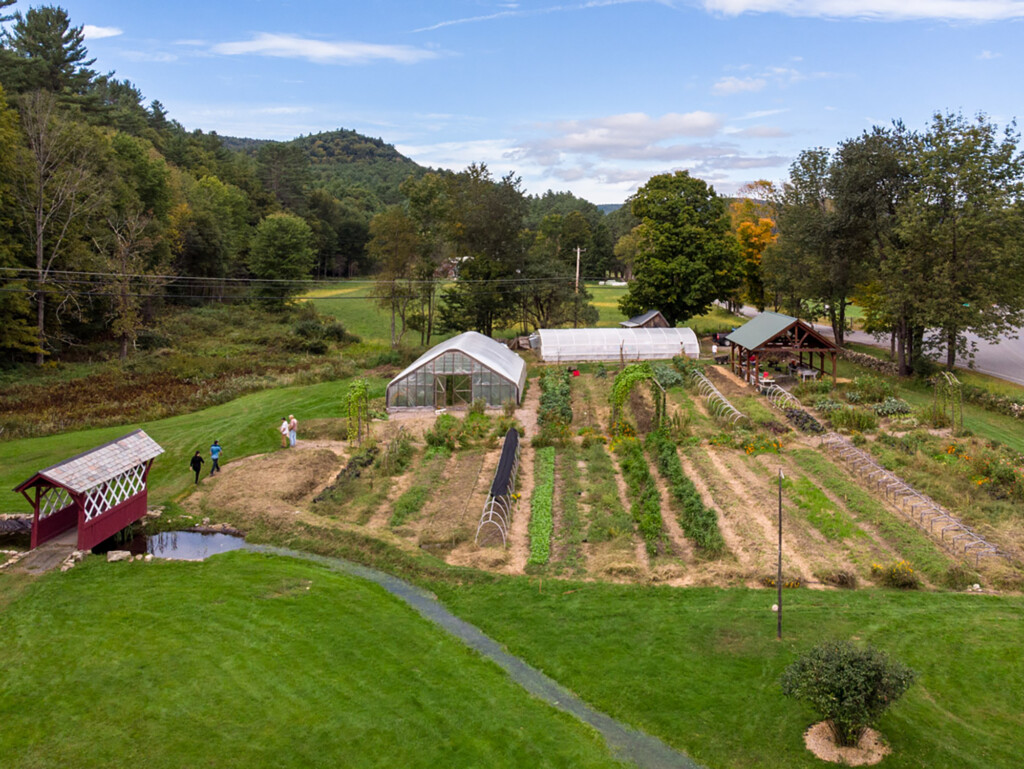
This year, Kindle Farm School, located in Newfane and Townshend, Vermont, celebrates 30 years of heart, hope, and possibility. Kindle Farm is a program of HCRS, a nonprofit community mental health agency, and part of the Vermont Care Partners network serving southeastern Vermont.
Kindle Farm partners with more than 15 school districts across Vermont and New Hampshire, providing a trusted therapeutic day school for boys in grades 3–12 whose needs exceed the resources and expertise available in traditional school settings. Through an integrated general and special education model, the school serves students with complex behavioral, emotional, and learning needs while upholding Vermont’s commitment to a Free Appropriate Public Education (FAPE) in the least restrictive environment possible.
Several core elements contribute to Kindle Farm’s success, including trauma-informed practices, explicit instruction, movement-rich days, predictable routines, and a strong focus on reintegration.
According to Drew Gradinger, Director of Kindle Farm School:
“Over the past 30 years, we have had the privilege of supporting hundreds of boys and young men. Alongside them, we have continually refined best practices that help students navigate their educational and behavioral journeys. Our work centers on building the skills students need to move through the world with greater confidence, reduced stress, and a stronger sense of self.”
Rebuilding Trust Through Relationships
Many students arrive at Kindle Farm with a diminished sense of trust in schools, in educators, and often in themselves as learners. This erosion of confidence frequently follows years of struggle, even within specially designed programs.
The school’s first and most essential task is to help students rediscover a sense of belonging through deep, caring relationships, the cornerstone of the Kindle Farm community.
Healthy therapeutic relationships are built on trust, collaboration, and mutual respect. When students feel heard, understood, and free from judgment, they are more willing to take risks, reflect on challenges, and engage in meaningful change. Emotional safety, created through consistent and caring adult relationships, becomes the foundation for lasting growth.
Over time, students learn to recognize early signs of distress, advocate for breaks and support, and return to learning independently. These skills don’t develop overnight. They grow through steady relationships, predictable routines, and intentional skill-building.
A Key Part of Vermont’s System of Support
In Vermont, Kindle Farm School is part of a statewide network of therapeutic schools within the Vermont Care Partners system, working in close collaboration with designated mental health and developmental services agencies. Together, these schools provide specialized educational and therapeutic environments for students whose needs cannot be met in traditional classrooms alone.
As Gradinger notes:
“Meaningful intervention is not defined by cost alone, but by the quality, consistency, and depth of care that allows students, and systems, to change.”
This statewide network plays a critical role in Vermont’s educational continuum. By offering intensive, relationship-centered support within structured school environments, therapeutic schools help prevent more restrictive and costly placements, reduce disruptions to learning, and support students in remaining connected to their home communities whenever possible.
Schools like Kindle Farm partner closely with families, school districts, and community providers to stabilize students, build essential skills, and support successful transitions back to less restrictive educational settings.
Why Therapeutic Schools Matter Now More Than Ever
As Vermont navigates complex educational and fiscal challenges, important conversations are unfolding about how best to support students with significant needs. Kindle Farm’s experience over the past 30 years has shown that meaningful intervention is not defined by cost alone, but by the quality, consistency, and depth of care provided.
When students receive the right support at the right time, grounded in relationships, explicit skill-building, and emotional safety, lasting change follows.
The growth seen in students extends beyond individual outcomes. When young people learn to regulate emotions, advocate for themselves, and reengage with learning, they return to their communities better equipped to succeed in less restrictive environments. This work strengthens students, families, and Vermont’s broader education system.
As it looks ahead, Kindle Farm School remains committed to doing what it has always done: meeting students where they are, investing deeply in their potential, and partnering with schools and districts to create pathways toward stability, growth, and long-term success. 💚
Sponsored by Vermont Care Partners

Share article
